So you two are getting married in Alberta. Congratulations! Whether you're dreaming of a mountain ceremony near Banff, a cozy hall in Edmonton or a backyard in Lethbridge, there's one small piece of paper that makes it all official: your marriage licence.
The good news is that Alberta keeps things fairly simple. There's no waiting period, no residency rule and no blood test. But there are a few details that can trip couples up, especially around ID, divorce papers and witnesses. So let's walk through it together, step by step, using the province's own guidance.
One gentle note before we start: rules and fees can change, so always double check with a registry agent or on alberta.ca before your big day.
Who issues a marriage licence in Alberta
In Alberta, marriage licences come from registry agent offices. These are the same local offices many Albertans already visit for things like licence plates and IDs, and you'll find them in towns and cities all over the province.
You need an Alberta marriage licence before you can get married in Alberta, and it's only valid for a ceremony that takes place in Alberta. So if you're planning to elope to the Rockies from another province, you'll still pick up your licence here.
You both need to go in person
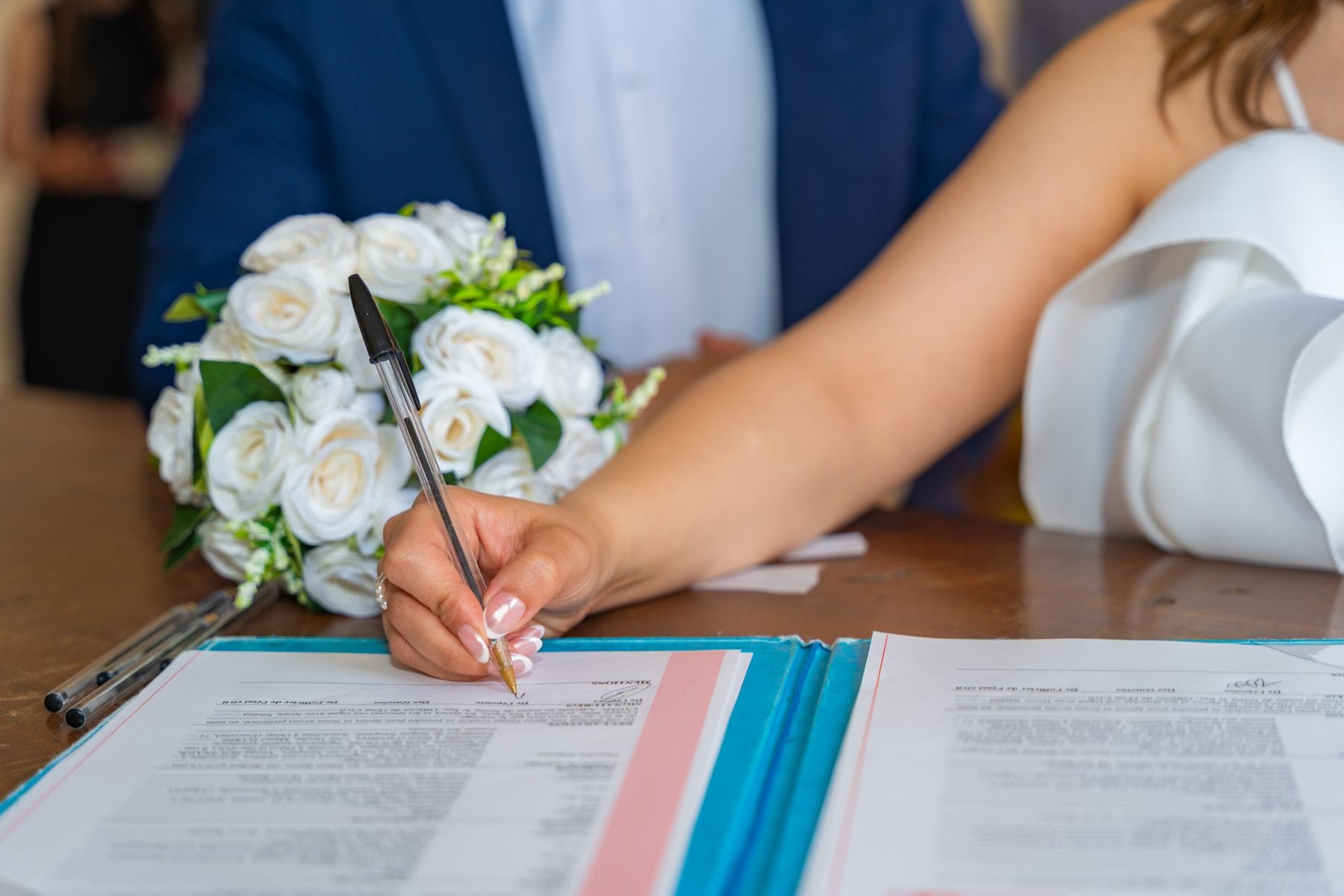
According to the province, both of you apply together, in person, at a registry agent office. Alberta notes that some exceptions may apply, so if one of you is working away or living out of province, call a registry agent ahead of time and ask what's possible in your situation.
Make it a little date. Grab a coffee afterwards. It's one of those small "we're really doing this" moments worth savouring.
What ID to bring
You'll each need to bring acceptable identification. Alberta has one helpful exception: if one of you doesn't have acceptable ID, that person may be able to use a birth certificate or an immigration document instead, as long as the other partner has acceptable ID.
What counts as acceptable can vary with your circumstances, so the easiest thing is to phone your chosen registry agent and ask exactly what to bring. It's a two-minute call that can save you a second trip.
If you've been married before, you'll need to show you're free to marry. If you're divorced, bring your final divorce document, such as a Certificate of Divorce. If you're widowed, Alberta says you don't need to bring your late spouse's death certificate. If a previous marriage was annulled, the annulment must have been ordered by a court; Alberta does not accept religious or tribunal annulments for this.
Age and other requirements
Both of you need to be 18 or older. People who are 16 or 17 may apply with consent from all parents and legal guardians, along with other conditions. No one under 16 can marry in Alberta.
There are a few other rules worth knowing. You can't currently be married to someone else. You can't be closely related by blood, half blood or adoption. And neither of you can be under the influence of alcohol or drugs, including heavy medication, when you apply.
Language matters too. Alberta requires that you both be fluent in English, or bring your own interpreter. The interpreter must be 18 or older and fluent in English and the other language, and one partner can't interpret for the other.
What you don't need: Alberta has no residency or citizenship requirement, and no minimum time you need to have been in the province. Blood tests aren't required. And reading the banns in a church can't be used in place of a licence in Alberta.
How much a marriage licence costs in Alberta
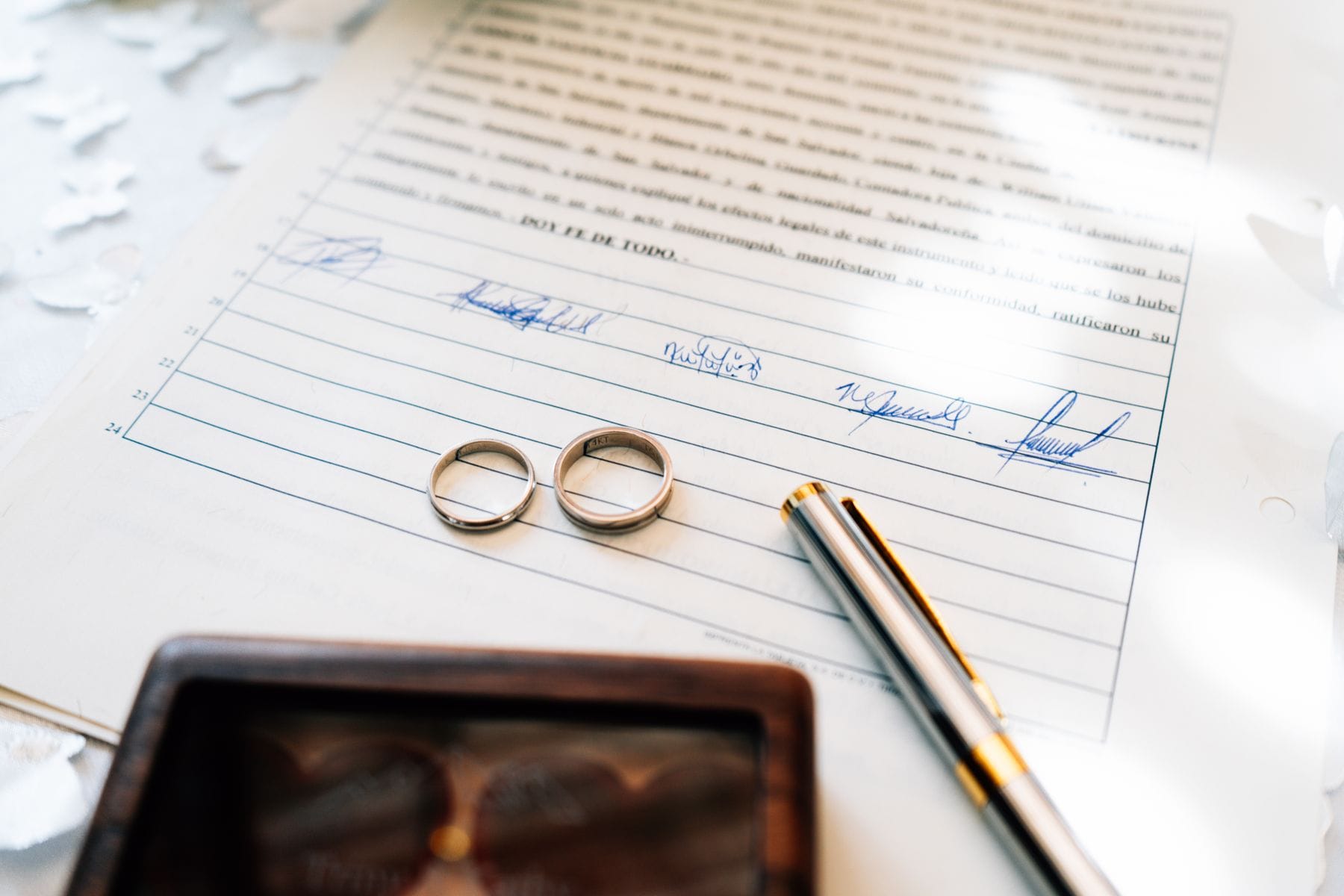
There's a $40 government fee for an Alberta marriage licence. On top of that, each registry agent charges its own service fee, and those fees vary from office to office. If you're budgeting closely, it's worth calling a couple of offices near you to ask.
Speaking of budgeting, your licence is one of the smaller costs on the list, but these little line items add up. Our free Ever After budget planner is a lovely way to keep every piece in one place, and our wedding budget basics guide can help you get started.
No waiting period, and three months to use it
Here's the part couples love: there's no waiting time in Alberta. Your ceremony can happen the very same day your licence is issued.
Your licence is valid for three months from the date it's issued. That means timing matters. Too early and it might expire before your date; too late and you're adding stress to a busy final month. Many couples like to pick it up a few weeks before the wedding, which gives a comfortable cushion without cutting it close. Put a reminder in both your phones.
Choosing your officiant
In Alberta you have two kinds of legal officiant, and the province says there is no legal difference between them.
For a religious ceremony, your officiant is a member of the clergy registered with Alberta Vital Statistics. Alberta doesn't publish a list of registered clergy, so the best step is to contact your church or religious organization directly.
For a civil ceremony, your officiant is a marriage commissioner appointed by the Government of Alberta. You can find one with the lookup tool on alberta.ca, or ask a registry agent to point you in the right direction.
Officiant fees vary, so ask about cost when you first reach out. You can also browse officiants on OpenDates and see who still has your date open. It's especially helpful in the busy summer and fall months, when the most loved officiants book up early.
What has to happen on the wedding day
This is where a little planning keeps everything smooth. Alberta has some clear rules for the ceremony itself.
Two adult witnesses. You need two witnesses, each 18 or older. Think about who you'd love standing beside you: a sibling, a best friend, a grandparent.
Everyone there in person. The two of you, both witnesses and the officiant must all be physically present together. Alberta doesn't allow proxies or video calls for the legal ceremony.
The ceremony happens in Alberta, with a valid Alberta licence in place on your wedding date.
Hand over the paperwork first. When the registry agent issues your licence, you'll get a two-part form. The Registration of Marriage portion must be given to your officiant before the ceremony starts. Tuck it somewhere safe and give it to a calm, organized person on the day (every wedding party has one).
Signatures during the ceremony. You two, both witnesses and the officiant all sign the Registration of Marriage during the ceremony. If you're having a civil ceremony, you'll each also make two set declarations in front of your officiant, your witnesses and each other.
Clear heads. No one in the wedding party can be impaired by alcohol or drugs, or heavily medicated, so save the toasts for after the "I do."
One more thing: a symbolic or mock ceremony is not a legal marriage in Alberta and can't be registered. If you're planning a symbolic ceremony somewhere special, make sure the legal one happens properly too.
After the wedding: registration and your certificate
Once you're married, your officiant takes care of the next step. Alberta says the officiant must send the Registration of Marriage to Vital Statistics within 48 hours of the ceremony.
Your marriage certificate can't be issued until the marriage is registered. When it is, you can order one at an Alberta registry agent office (or through Registry Connect, depending on where you live). Alberta lists a $20 government fee for each marriage document ordered, and registry agents may add a service fee. Many organizations will ask to see your certificate if you're updating your name, so it's worth ordering one soon after the wedding.
Changing your last name (or not)
In Alberta, you can keep your own last name, take your spouse's, or combine your names, with or without a hyphen or space. The province says you don't need a legal name change through Vital Statistics to use your married name. To update your records, you contact each organization, and most will ask for your marriage certificate. Your birth certificate doesn't change.
If either of you has ties to another province, Alberta notes that other provinces may require a formal legal name change, so check there too.
Getting the rest of the day in place
Once the paperwork is sorted, you can get back to the fun part. If you haven't settled on a date yet, our guide to choosing your wedding date is a great place to start, and our booking timeline shows what to lock in first.
On OpenDates you can browse wedding venues, photographers and videographers, florists and décor, hair and makeup artists and caterers, plus many more kinds of wedding vendors. Best of all, you can search by your actual date and see who's still free.
Frequently asked questions
How much is a marriage licence in Alberta?
There's a $40 government fee, plus a service fee set by the registry agent office you visit. Service fees vary, so it's worth calling ahead.
Is there a waiting period to get married in Alberta?
No. Alberta has no waiting time, so you can get married the same day your licence is issued.
How long is an Alberta marriage licence valid?
Three months from the date it's issued, and only for a ceremony held in Alberta.
Do we both have to be there to get the licence?
Generally yes. Both partners apply together in person at a registry agent office. Alberta says some exceptions may apply, so check with a registry agent if one of you can't be there.
Do we need to live in Alberta to get married there?
No. Alberta has no residency or citizenship requirement, and no minimum time you need to have been in the province.
How many witnesses do we need in Alberta?
Two witnesses, each 18 or older, who are physically present at the ceremony with you and your officiant.
Who can marry us in Alberta?
A clergy member registered with Alberta Vital Statistics for a religious ceremony, or a marriage commissioner appointed by the Government of Alberta for a civil ceremony. Both are equally legal.
Photos from Pexels.